LNEYA Промышленные чиллеры Производитель Поставщик


What causes sediment in the use of the chiller cooler?
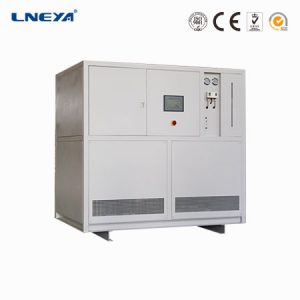
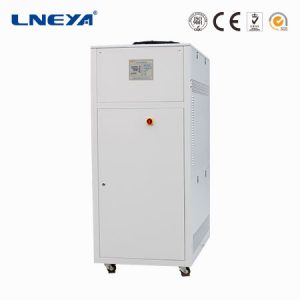
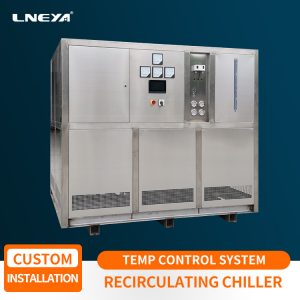
A chiller is a water-cooled unit that uses water circulation to provide a constant temperature, constant flow and constant pressure cooling water. The LNEYA cold water system has its own working principle, that is, a certain amount of water is injected into the water tank of the machine, the cooling water is cooled by the refrigeration system, and then the cooling water is operated by the compressor. The cooling water is sent to the equipment to be cooled, the heat is taken away, then the temperature rises, and then flows back to the water tank to achieve a cooling effect. However, when using a chiller for a long time, there will usually be some dirt deposits in the chiller pipe or water tank. What is the reason below.
1.Chemical processor
If a zinc salt or a phosphate inhibitor is added to the water circulation system, zinc or phosphate scale is formed. Therefore, we must always carry out maintenance work on the chiller, not only to ensure the cooling capacity, but also to extend the service life of the chiller.
2. Process media leakage
The water cooler leaks, especially if it leaks oil or some organic matter causes deposits to form.
3. Air
Sediments, dust, microorganisms and their spores enter the circulatory system with the air, and sometimes insects are carried into the system, causing the heat exchanger to clog. When the environment surrounding the cooling tower is contaminated, corrosive gases such as hydrogen sulfide, chlorine dioxide and ammonia will react in the unit and indirectly cause deposition.
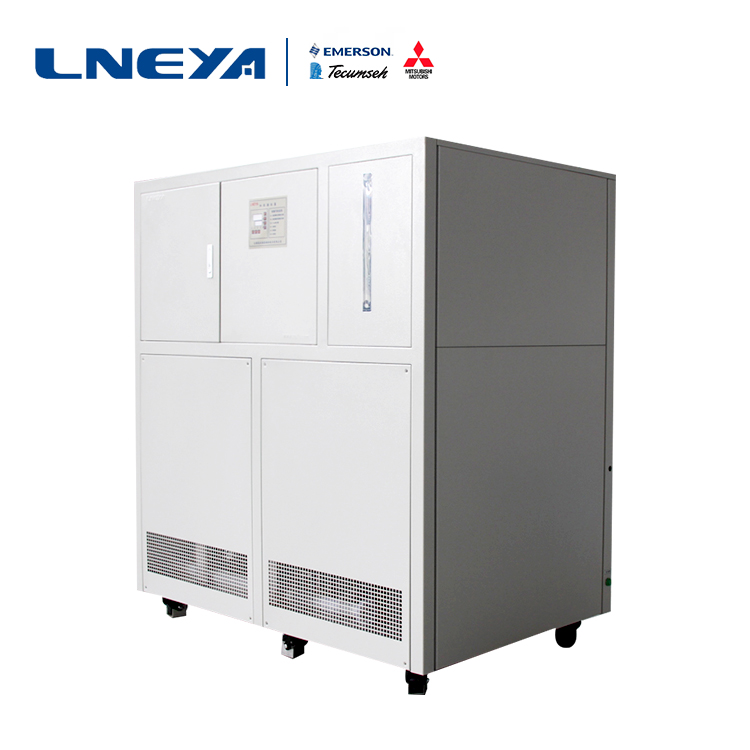
The LNEYA chiller cooler is a fully enclosed system that does not expose the media to outside air during use.
It can be seen from the above that in the use, the chiller needs to be maintained at all times, which not only ensures the cooling capacity, but also prolongs the service life of the chiller and the saving of circulating water.
If you need any information, you can contact LNEYA to inquire about the use of chiller coolers and other cooling system equipment at sales@lneya.com/LNEYA.COM.
Похожие рекомендации
-

What do the LNEYA chiller fault codes mean? What is the solution?
2510Q: What is the fault code of the chiller? Answer: E1 means extremely high indoor temperature alarm, E2 means extremely high temperature alarm, E3 means extremely low temperature alarm, E4 means indoor temperature controller failure, E5 means water...
Посмотреть детали -
Working Principle of Glycol Chiller
1694For the low-temperature chiller using ethylene glycol solution, wecall it glycol chiller. Its outlet water temperature is generally below - 10 ℃, and the specific temperature requirements shall be subject to theneeds of users. Glycol chillers ar...
Посмотреть детали -
Этапы отладки промышленного водяного охладителя в химической промышленности
1687After completing the installation ofindustrial water chillers in chemical enterprises, certain debugging needs tobe carried out in the early stage ofoperation. Only through careful debugging can we find out whether there arehidden troubles in...
Посмотреть детали -
Precautions for Leakage Inspection of Glycol Chiller
2254The main points about checking leakage of glycol chillerDuring the operation of the glycol chiller, it is critical that the refrigeration system does not leak. In order to avoid the leakage of refrigerant and other gases from the glycol chiller, ...
Посмотреть детали