LNEYA Промышленные чиллеры Производитель Поставщик


Low-temperature coolant circulation pump used with rotary evaporator
The chemical and pharmaceutical fields are the largest end consumer markets for cryogenic coolant circulation pumps. With the increasing demand for low-temperature coolant circulation pumps in this market, the application of cryogenic pumps in the chemical industry is becoming more mature. As a laboratory instrument, cryogenic coolant circulation pumps are indispensable to the laboratory field. It plays an important role in chemical, pharmaceutical and chemical research.
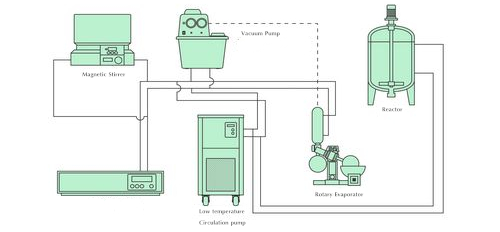
The low-temperature coolant circulation pump can directly cool test tubes, reaction flasks, etc. to carry out chemical reactions at low temperatures, and carry out low-temperature storage of chemicals and biological products. It can also be used in conjunction with rotary evaporators, vacuum freeze-drying boxes, circulating water-type multi-purpose vacuum pumps, etc.
One low temperature coolant circulation pump with two rotary evaporation laboratory cases Note points:
When in use, the actual temperature should not be lower than the minimum temperature. If water is used as the circulating solution, the water inlet pipe cannot be higher than 60 degrees Celsius, but when using absolute ethanol, the water inlet can not be higher than 10 degrees Celsius.
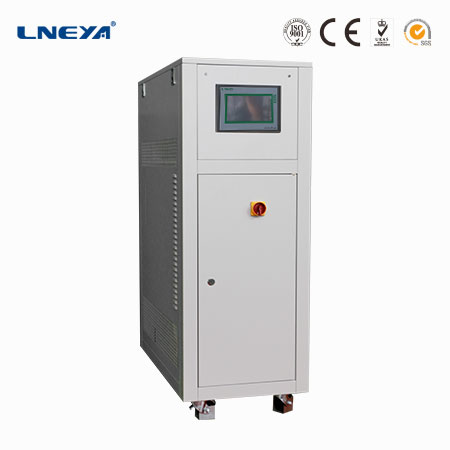
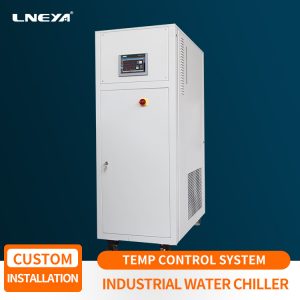
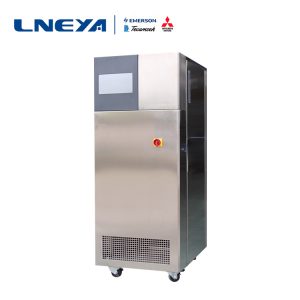
Lneya low-temperature coolant circulation pump adopts international brand compressor, which has small volume and high efficiency. Single compressor can achieve -152°C temperature control. The shell material is cold-rolled steel plate, and the circulating pump with pressure ≤6bar can be customized to make the liquid storage larger capacity according to the needs. Exclusive self-cascade supercooling refrigeration technology, in order to save water resources, can use ethylene glycol-water mixture for circulating refrigeration, strict circulation pipeline design, prevent circulating water pollution, extend the circulating water use time; -125 ° C ~-20 °C Wide temperature range; adjustment unit 0.1 degree. Ambient temperature monitoring function is provided to prevent damage to the system when the ambient temperature is too high.
Похожие рекомендации
-

How does the Industrial Water Chiller System Work?
1963When using industrial machinery, a cooling system may be required to prevent the machine from overheating. Refrigeration equipment can effectively keep materials in the optimal temperature range, but how does the chiller work? Understanding the wo...
Посмотреть детали -
Semiconductor refrigeration temperature control system selection instructions
2205The choice of semiconductor refrigeration temperature control system should be based on the cold load and what to use for consideration. For refrigeration systems with long operating conditions with low load operation, it is suitable to select mul...
Посмотреть детали -
What are the functions of the chip production high and low temperature aging test chamber?
1586At present, the chip wafer production industry is facing unprecedented challenges and changes. In addition to technology, output has always been a concern in the industry. We all know that the birth of a chip requires many processes, and a good ch...
Посмотреть детали -
Comparison of Three Test Methods for Low Temperature Chamber
18692. Non-heat dissipation test samples and heat dissipation test samples When the temperature of the test sample is stable during the conditional test period, the hottest spot temperature on the surface of the test sample is higher than the ambient ...
Посмотреть детали